Taper vs Fade Haircut: What’s the Difference and Which One Is Better in 2026?
Three weeks ago, a guy sat in my barber chair and said something I hear all the time:
“Bro, I want a taper… or maybe a fade. Whatever looks clean.”
That sentence right there is the problem.
Taper and fade are not the same haircut. Not even close. Yet barbers hear them used interchangeably every single day. I’ve seen clients disappointed, confused, even annoyed after a cut because what they asked for wasn’t what they meant.
In 2026, haircuts are sharper, more personalized, and more visible than ever. Social media zooms in on necklines. Cameras catch the back of your head. A bad blend doesn’t hide anymore.
I’ve cut thousands of heads over the years. Straight hair, curly hair, thick fades, soft tapers, clean professional cuts, and bold skin fades. I’ve also made mistakes. High fades that were too high. Tapers that were too subtle. Those mistakes taught me one thing.
If you understand the difference between a taper and a fade, you never get a bad haircut again.
This guide breaks it all down. No barber jargon. No guessing. Just clear answers so you can walk into any barbershop and know exactly what to ask for.
What Is a Taper Haircut?
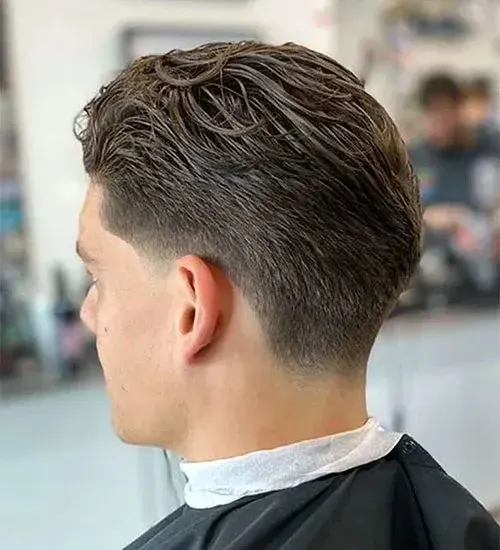
A taper haircut gradually shortens the hair as it moves down the sides and back of the head. The key word here is gradual.
The hair never drops suddenly to skin. It slowly blends shorter, especially around:
- The neckline
- The sideburns
- Behind the ears
Most classic men’s haircuts include a taper, even when people don’t realize it.
Here’s what most people get wrong.
A taper is not meant to stand out. It’s meant to look natural.
I often recommend tapers to:
- Office workers
- Students
- Anyone who wants a clean look without sharp contrast
Why Tapers Grow Out Better
From experience, tapers age well. A client can go five or six weeks without a cut and still look presentable. There’s no harsh line growing back. No sudden “bad phase.”
That’s why many professionals choose tapers over fades, especially if they don’t visit the barber often.
Common Types of Tapers
- Neck taper: Clean around the neckline only
- Low taper: Subtle taper near the ears and back
- Regular taper: Balanced and classic
Strong opinion from years behind the chair:
If you want low maintenance, choose a taper.
What Is a Fade Haircut?
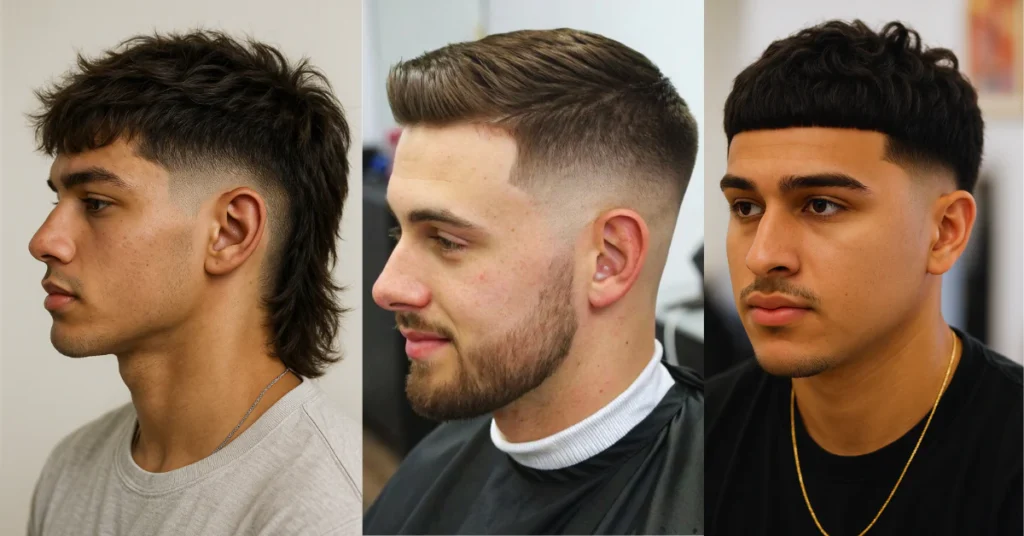
A fade haircut blends the hair down to very short lengths or completely to skin. Unlike a taper, a fade is designed to be noticed.
Fades are about contrast.
The hair transitions from long to extremely short in a shorter distance. That sharp blend is what makes fades look modern and bold.
Types of Fades You’ll Hear About
- Low fade: Starts just above the ears
- Mid fade: Starts higher, around the temple
- High fade: Very high contrast, very bold
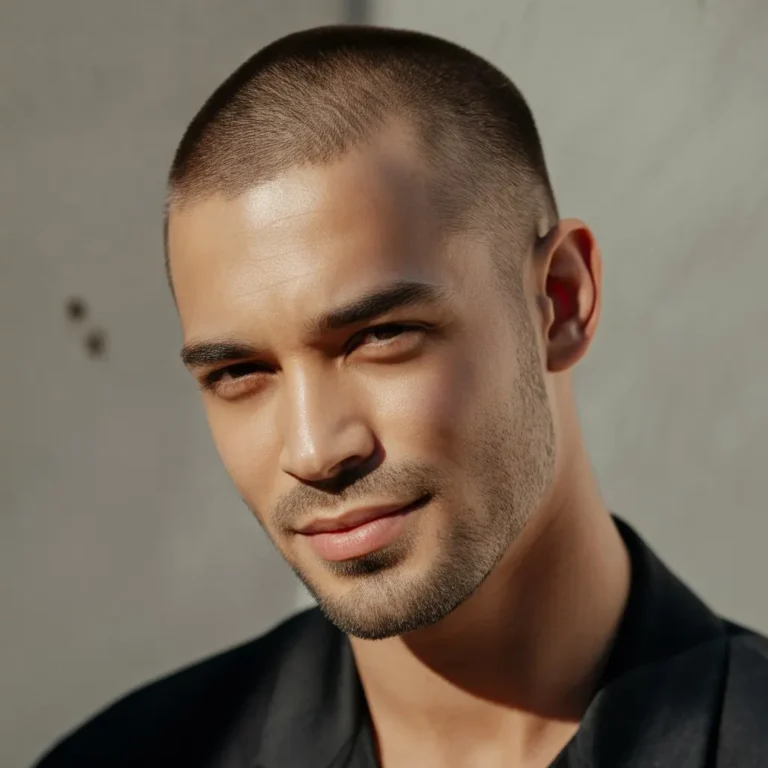
- Skin fade: Blended all the way to skin
Fades look incredibly clean when fresh. On day one, nothing beats a good fade. But here’s the honest truth most people don’t hear.
The Fade Trade-Off
Fades demand maintenance.
After two to three weeks, the sharpness softens. After four weeks, many fades lose their structure completely.
That’s why fades are popular with:
- Athletes
- Trend-focused styles
- People who visit the barber often
If you love sharp lines and don’t mind frequent cuts, fades are perfect.
Taper vs Fade: What’s the Real Difference?
Short answer first, voice-search style:
The difference between a taper and a fade is how short the hair gets and how fast it blends. A taper keeps hair gradually shorter near the neck and sides, while a fade blends hair down to very short or skin level for a sharper look.
Now let’s go deeper. Because this difference matters more than people think.
From my experience, most bad haircuts don’t happen because of poor skill.
They happen because the client asked for the wrong type of blend.
A taper is subtle.
A fade is dramatic.
A taper respects the natural hairline.
A fade reshapes it.
That’s the mindset shift you need.
Taper vs Fade: Side-by-Side Comparison
| Feature | Taper Haircut | Fade Haircut |
|---|---|---|
| Hair length | Gradually shorter | Blends very short or to skin |
| Contrast | Low, natural | High, sharp |
| Maintenance | Low | Medium to high |
| Grows out | Smooth and natural | Loses shape faster |
| Workplace friendly | Yes | Depends on fade type |
| Best for | Clean, classic styles | Modern, bold styles |
If you’re unsure, here’s my honest rule:
If you want people to notice your haircut immediately, choose a fade.
If you want people to think you always look clean, choose a taper.
Low Taper vs Low Fade: Which One Looks More Natural?
This is one of the most searched and most misunderstood comparisons.
A low taper only cleans up the edges.
A low fade still removes noticeable bulk near the ears.
Low Taper
- Very subtle
- Keeps natural hair density
- Ideal for professionals and students
Low Fade
- Sharper outline
- Slightly more dramatic
- Looks cleaner when fresh
Here’s something barbers rarely say out loud.
If your hairline is uneven or your hair grows fast, a low taper will age better than a low fade.
Low fades look amazing for two weeks.
Low tapers look good for five or six.
Taper Fade vs Regular Fade: What’s the Difference?
This is where confusion really explodes.
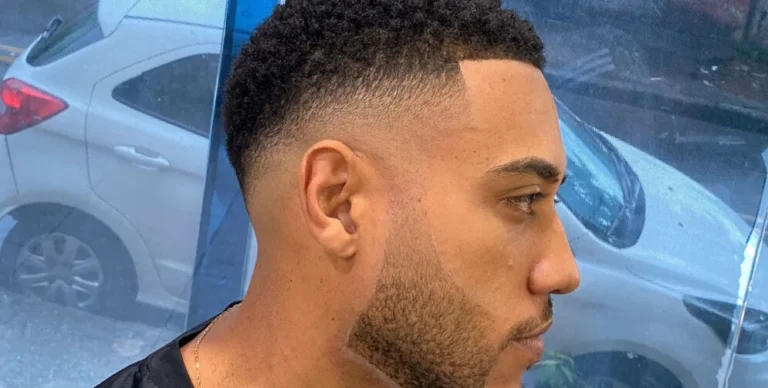
A taper fade is a hybrid.
It fades the sides, but finishes softly at the neckline and temples.
A regular fade goes all the way down evenly.
Why People Choose Taper Fades
- Cleaner than a taper
- Softer than a full fade
- More forgiving as it grows out
In recent years, taper fades have become the safe middle ground. Especially for:
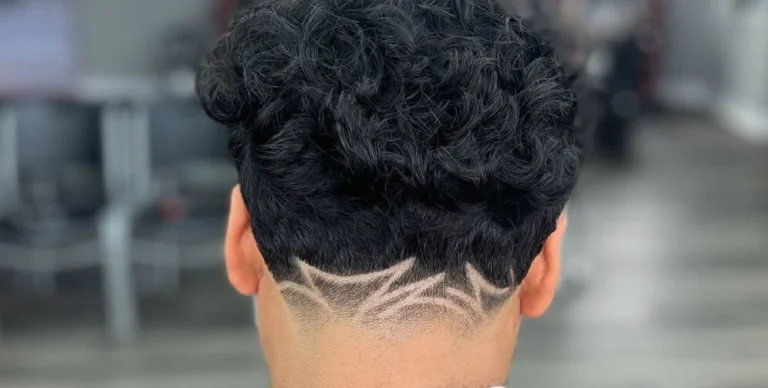
- Curly hair
- Thick hair
- First-time fade clients
If you’re nervous about going too short, start with a taper fade. Almost nobody regrets it.
Taper vs Skin Fade: Clean Look or Too Sharp?
A skin fade is sharper and bolder. A taper is cleaner and safer.
A skin fade blends hair down to bare skin. It looks ultra-clean on day one. But it also exposes every detail—head shape, scars, uneven growth.
A taper avoids skin exposure. It keeps the neckline and temples neat without harsh contrast.
When I recommend a skin fade
- You get haircuts every 2–3 weeks
- You like sharp, high-contrast styles
- You are comfortable with attention
When I recommend a taper
- You want a professional or school-friendly look
- You don’t want weekly upkeep
- You prefer natural growth
Honest barber truth:
Skin fades punish laziness. Tapers forgive it.
Fade vs Taper for Curly Hair
Curly hair changes everything.
With curls, bulk control matters more than sharpness.
A fade removes weight fast. That can make curls pop—but it can also make the top look too heavy if done wrong.
A taper keeps balance. It cleans the edges while letting curls sit naturally.
Best options for curly hair
- Low taper fade
- Mid taper with curls
- Low fade with longer curls on top
Mistake I see often:
Barbers fading too high on curly hair. The result looks top-heavy and awkward after two weeks.
If you have curls and want safety, start with a taper fade, not a full fade.
Taper vs Fade for Black Hair
On Black hair, the difference between a good cut and a great cut is precision.
A fade highlights sharp lines and texture.
A taper keeps things clean without overexposing the scalp.
Popular choices
- Low taper fade with curls
- Bald fade for bold looks
- Temp fade with taper back
From experience, many Black clients prefer:
- Tapered neckline + faded sides
This keeps the cut fresh longer while still looking sharp.
Which One Grows Out Better: Fade or Taper?
This question matters more than style.
A taper grows out smoothly.
A fade loses its shape quickly.
If you stretch haircuts to once a month or longer, fades can start to look messy. Tapers just soften.
If you want a haircut that still looks decent after four or five weeks, choose a taper or taper fade.
Undercut vs Fade vs Taper
Quick breakdown:
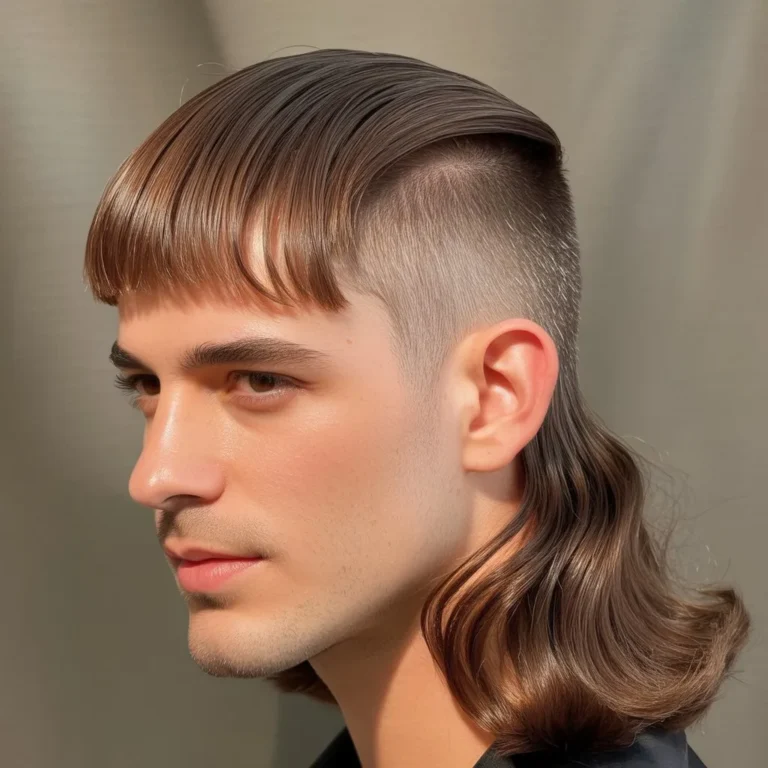
- Undercut: No blend. Hard disconnect. High risk.
- Fade: Sharp blend. High contrast. High maintenance.
- Taper: Soft blend. Natural look. Low maintenance.
Most people who “hate their haircut” accidentally got an undercut when they wanted a fade—or a fade when they needed a taper.
How to Ask Your Barber for a Taper or Fade (Exact Words)
This part saves haircuts.
Say where and how sharp, not just the style.
If you want a taper
“I want a low taper on the sides and back. Keep it natural, no skin.”
If you want a fade
“I want a low fade, blended to skin, not too high.”
If you want a taper fade
“Low taper fade. Clean neckline, soft at the temples.”
Never just say:
“Do whatever.”
That’s how bad haircuts happen.
Frequently Asked Questions About Taper vs Fade
What’s the difference between a taper and a fade haircut?
A taper gradually shortens hair near the neck and sides while keeping a natural look. A fade blends hair down to very short or skin level, creating a sharper and more noticeable contrast.
Is a taper the same as a taper fade?
No. A taper fade combines both techniques. The sides are faded, but the neckline and temples stay softly tapered instead of fully faded.
Low fade vs taper: which one is better?
A taper is better if you want low maintenance and natural growth. A low fade looks cleaner at first but needs more frequent touch-ups.
What is a low taper fade?
A low taper fade starts the fade very low around the ears and keeps the neckline tapered. It’s one of the safest and most popular modern haircuts.
Taper vs skin fade: what should I choose?
Choose a skin fade if you want a bold, sharp look and visit the barber often. Choose a taper if you want a clean style that grows out smoothly.
Does a taper work with long hair?
Yes. Tapers work very well with long hair because they clean the edges without removing volume from the sides.
Fade or taper for curly hair?
Curly hair usually looks better with a taper fade or low fade. Full high fades can make curls look too heavy on top as they grow out.
Which grows out better, a fade or a taper?
A taper grows out better. Fades lose their sharp shape faster and often look messy after a few weeks.
Is a taper considered a fade?
No. A taper is its own technique. A fade is more aggressive and blends hair much shorter.
What should I tell my barber to avoid a bad haircut?
Always explain how short you want the sides, where the fade or taper should start, and how often you get haircuts. Never just say “do whatever.”
Final Verdict: Taper or Fade — Which One Should You Choose in 2026?
Here’s the honest answer after years of cutting hair and fixing mistakes.
Choose a taper if you:
- Want a clean, professional look
- Don’t visit the barber often
- Prefer natural growth
- Want a safe, timeless style
Choose a fade if you:
- Like sharp, modern styles
- Don’t mind frequent maintenance
- Want high contrast
- Enjoy bold looks
Choose a taper fade if you want the best of both worlds.
In 2026, the trend is not extreme fades anymore. The trend is balance. Haircuts that look good on day one and day thirty.
That’s why low taper fades, soft tapers, and controlled fades are winning right now.
Conclusion
Most people don’t hate haircuts.
They hate miscommunication.
Once you understand the real difference between a taper and a fade, everything changes. You stop guessing. You stop hoping. You start choosing.
A taper keeps things natural.
A fade makes a statement.
A taper fade sits right in the middle.
My advice is simple.
Start subtle. You can always go sharper next time.