Burst Fade Haircut: 50+ Modern Styles, Variations & Complete Guide

The first time I asked my barber for a burst fade, he tapped his clipper guards and traced a curve around my ear. “This cut will rise like the sun,” he said. Running my hand over the curve, I felt the sharpest edges I’d ever had.
That’s the appeal of the burst fade—clean, modern, and trending from Usher to TikTok barbershop reels.
Definition (snippet-ready): A burst fade is a tapered hairstyle where the fade curves around the ear and “bursts” into longer hair on top, blending smoothly into the neckline. Most barbers can finish it in 30–45 minutes, usually costing $25–$60 depending on location. In this guide, you’ll learn who it suits, how to ask your barber, and the best products to keep it fresh.
What Is a Burst Fade Haircut?
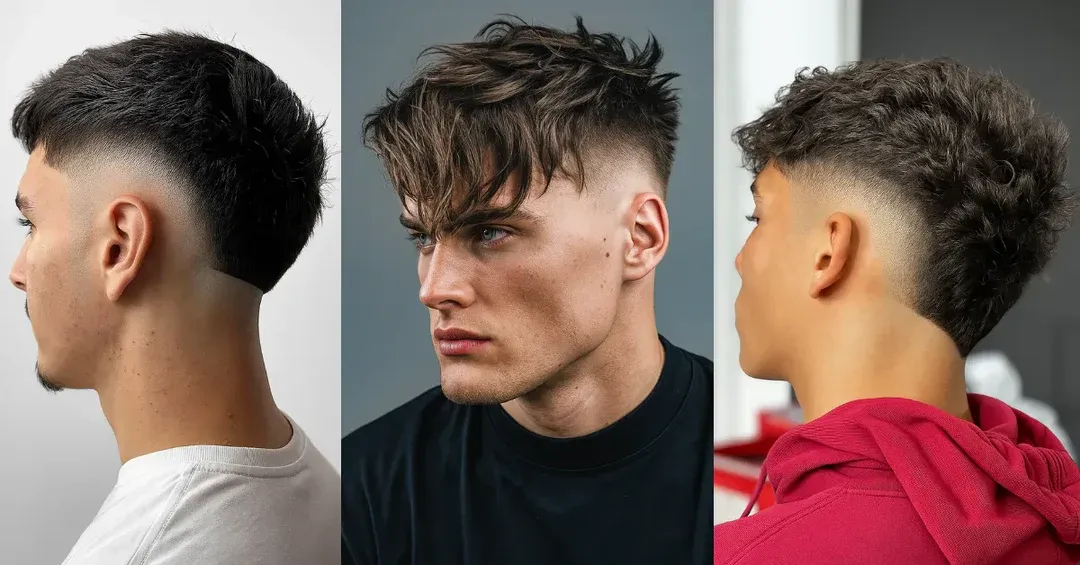
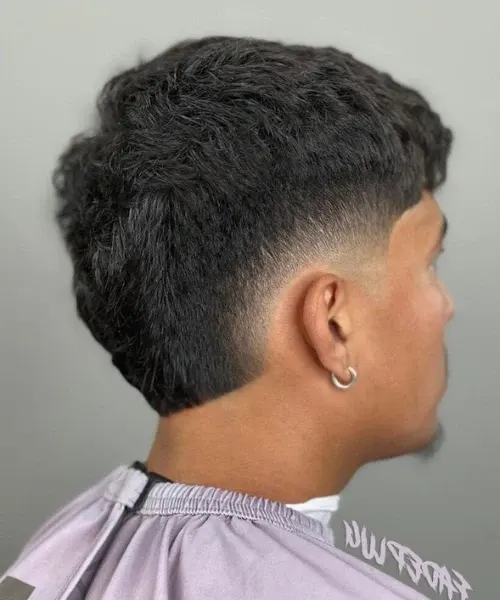
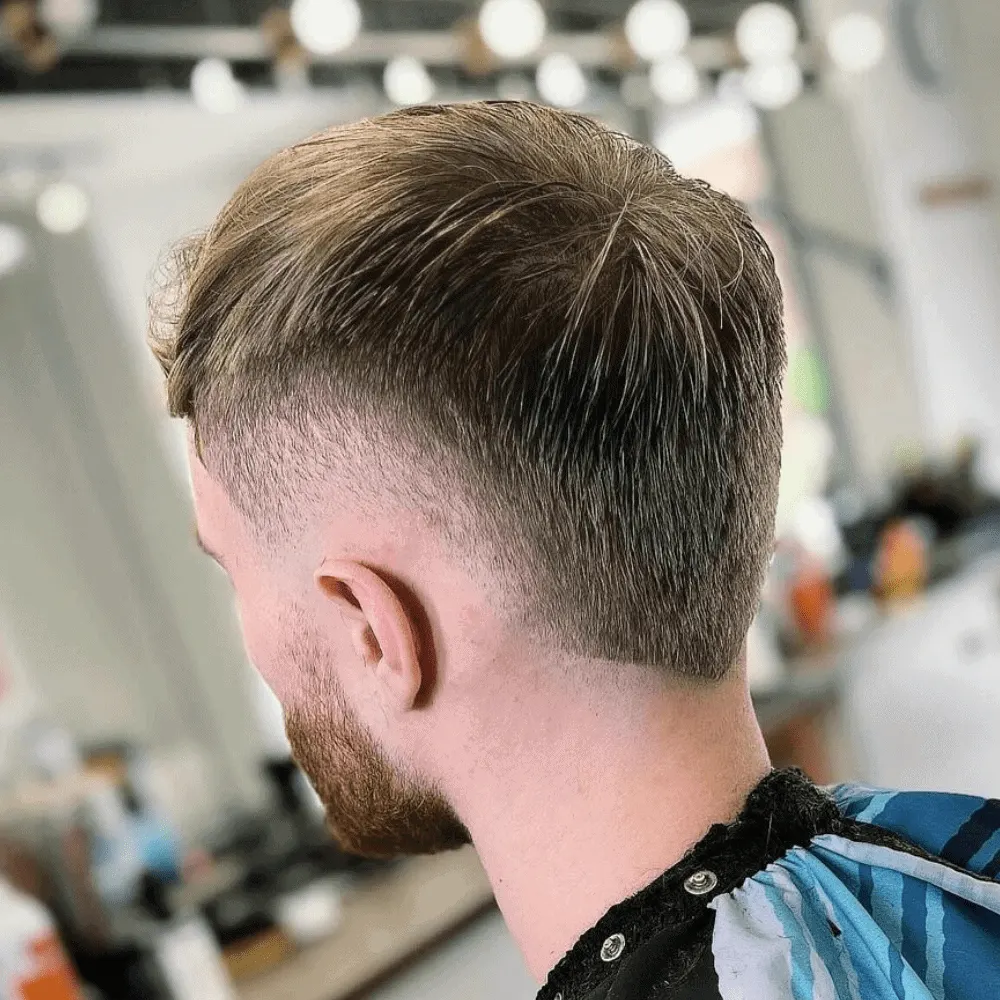
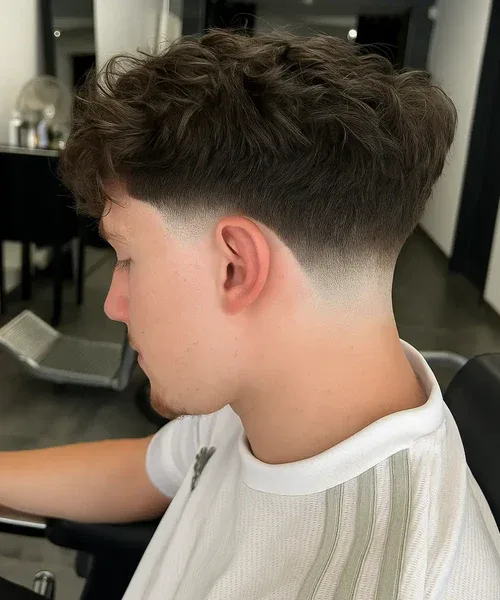
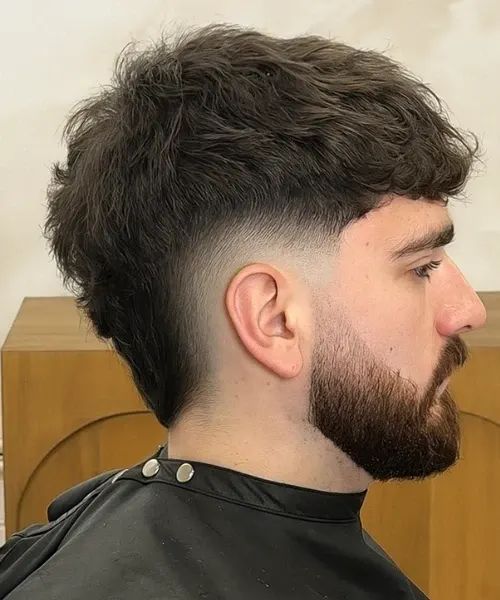
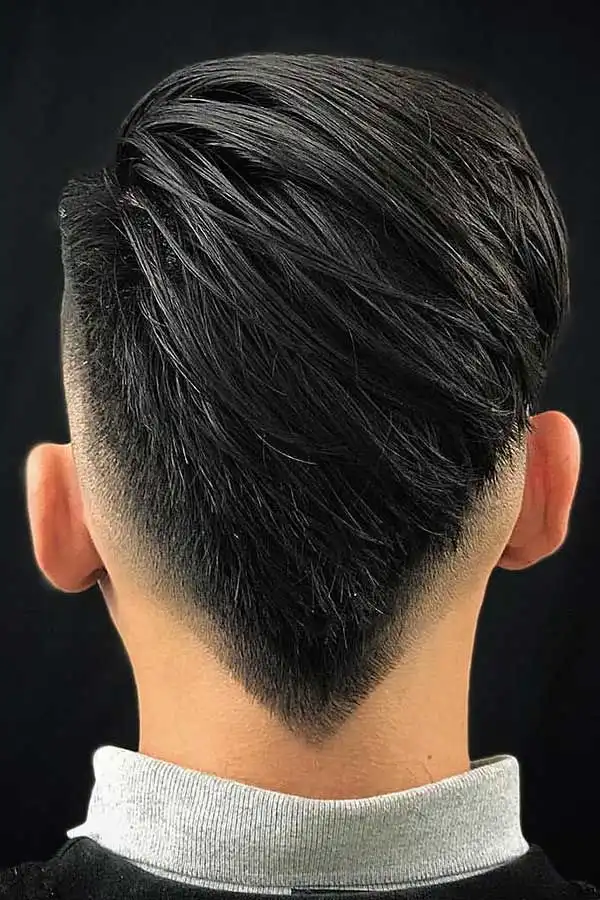
A burst fade is a taper-style haircut where the fade curves around the ear in a semicircle, creating a “burst” effect. Instead of dropping straight down like a drop fade, it spreads out and blends into the neckline, keeping the sides sharp and the top full.
Barbers achieve this look using different clipper guards, gradually moving from short near the ear to longer lengths on top. The result is a clean, modern outline that works with almost any hairstyle—curly, straight, or textured.
This cut stands out because it frames the ear and jawline, giving structure without removing too much volume. That’s why it has become one of the most requested styles in barbershops worldwide. Unlike a standard taper fade, the burst fade curves behind the ear, which makes it stand out in TikTok trends and celebrity styles.
Burst Fade vs Other Popular Fades
Burst Fade vs Taper Fade

Barbershop mix-ups happen—ask for a taper, and you might walk out with a burst fade! A taper usually uses guard #1–2, creating a smooth fade into the skin at temples and neckline—perfect for clean, office-ready styles. A burst fade drops closer to guard #0–1, curving like a spotlight around the ear—ideal for bold mohawks or textured crops. Tapers need trims every 2 weeks, while bursts require weekly touch-ups to stay sharp. One barber sums it up: “A taper blends in, a burst stands out.
Burst Fade vs Mid Fade

In barbershops, the classic question pops up: low, mid, or high fade? But the burst fade plays a different game. Low fades (#1–2) rise straight, mids (#0.5–1) climb a bit higher, highs (~#0–0.5) go bold—but burst fades stay #0–1 around the ear, curving like a half-sun spotlight while keeping the back fuller. Regular fades need trims every 2–3 weeks; burst fades need weekly touch-ups to keep the curve sharp. As one barber says: “Straight fades climb, burst fades shine.
Burst Fade vs Low Fade

A burst fade curves neatly around the ear and tapers into the neckline, creating a sharp, standout look that emphasizes the sides. A low fade gradually shortens hair just above the ears and along the nape, offering a more subtle and classic appearance. Choose burst fade if you want bold style; pick low fade if you prefer clean and versatile.
Burst Fade vs High Fade

A burst fade curves around the ear in a semi-circle, keeping length in the back for styles like mohawks and mullets. A high fade rises straight up above the temples, removing more side hair for a bold, military-like contrast. Choose burst fade for trendy, curved definition; pick high fade for a sharp, aggressive look.
Burst Fade vs Drop Fade

In barbershops, the classic debate is always: drop fade or burst fade? A drop fade slopes steeply behind the ear, creating a bold, dramatic line, while a burst fade arcs outward like a half-sun spotlight, wrapping around the ear for a standout effect. Drop fades usually stay around guard #1–2, whereas bursts dip closer to #0–1 for extra contrast. Drop fades grow out evenly with trims every 2–3 weeks, while bursts need weekly touch-ups. One barber sums it up: “Drop fades drop, burst fades pop.
Burst Fade vs Mullet

The burst fade and mullet sometimes get confused, but they serve different vibes. A burst fade curves sharply around the ear, keeping the sides short and the top versatile, while a mullet grows longer at the back for that iconic “business front, party back” look. Burst fades usually use guard #0–1 near the ear, needing weekly touch-ups, whereas mullets are low-maintenance in the back. As one barber jokes: “A mullet announces itself from behind, a burst fade shines around the ear.
Who Does a Burst Fade Suit Best?
Wondering if a burst fade will work for you? The curved sides frame the face like a soft spotlight, slimming cheeks and adding height, making it versatile for many face shapes and hair types. Low bursts (#1–2) suit fine or thinning hair, mid (#0.5–1) works for average textures, and high (#0–1) is best for thick hair. Adults need weekly touch-ups to keep the curve sharp, while kids enjoy a softer, low-maintenance fade.
Barber insight: “A burst fade frames the face, not just the hairline.”
By Face Shape
- Round: Height on top + tighter sides slims cheeks
- Oval: Any height works; mid burst is safe
- Square: Low burst + textured top adds structure
- Heart: Keep some side length to balance forehead
By Hair Type
- Straight: Add texture with matte clay + vent brush
- Wavy: Soft hold with paste; dry low heat
- Curly/Coily: Define curls with cream + diffuser
- Fine: Avoid high fades; keep blend low, add volume with sea salt spray
Kids: Low burst, longer top, soft lines, gentle shampoo, light leave-in conditioner.
Military: Low burst or taper, neat outline, policy-compliant.
Popular Burst Fade Haircuts
The burst fade works with almost any hairstyle. Whether you go low, mid, or high, the curved fade blends smoothly around the ear while keeping volume on top.
Barbers often match it with mohawks, mullets, curls, spikes, quiffs, pompadours, or even beards, making it one of the most versatile styles today. Most barbers use Wahl or Andis clippers to carve the clean curve, which explains why TikTok barbers and Instagram influencers showcase it almost daily.
One client paired his burst fade with a mullet, and two weeks later he laughed that strangers kept asking where he got it done. That’s the kind of impact this haircut carries—sharp, modern, and always trending.
Low Burst Fade

Keep it subtle yet stylish. The fade curves just behind the ear, leaving length on top for fringes, pompadours, or textured crops. Guard #1–2 suits fine or thinning hair; weekly touch-ups keep it sharp. Adults can style with matte clay or soft paste; kids enjoy a softer low fade. Stylist insight: “Subtle edges, maximum versatility.
Mid Burst Fade

The sweet spot between subtle and bold. Curved fade wraps around the ear, blending mid-level sides with volume on top. Guards #0.5–1 work for medium textures. Style with pomade, clay, or texturizing cream. Weekly touch-ups maintain the shape. Stylist insight: “Balanced, modern, and always eye-catching.”look.
High Burst Fade

Stand out with a bold, dramatic curve around the ear and sharp sides. Guard #0–1 emphasizes contrast; best for thick or textured hair. Works with mohawks, faux hawks, spikes, or pompadours. Weekly touch-ups keep edges clean. Stylist insight: “High fade, high impact.”
Curly Burst Fade

Curves meet natural curls for a clean yet textured style. Top left longer, sides hug the ear. Use curl cream + diffuser for tight coils or waves, or light paste for loose curls. Guards #3–#4 on top. Weekly touch-ups ensure the shape holds. Stylist insight: “Natural volume, structured edges.
Burst Fade Mohawk

The burst fade mohawk is a bold style that blends a curved fade around the ears with a strip of longer hair down the middle. Barbers usually shape it using Wahl or Andis clippers, keeping the top long for spikes, curls, or even a mini pompadour. Many pair it with a beard for a sharper frame.
It’s big in hip-hop and TikTok trends, giving off fearless energy. One of my clients wore it to a festival—he said strangers kept asking who his barber was.
Burst Taper Fade

Curved sides blend into a smooth taper toward the neckline. Low (#1–2) for fine hair, mid (#0.5–1) for medium textures, high (#0–1) for thick hair. Adults need weekly touch-ups; kids, bi-weekly. Style with matte clay or soft paste. Stylist insight: “Drama without the mess.”
Burst Skin Fade

Maximum contrast with a curved fade dropping to bare skin around the ear. Top retains texture for styling. Low (#0–0.5) for fine hair, mid (#0–0.5) for medium, high (#0) for thick/curly. Weekly touch-ups recommended. Style with texturizing clay or molding paste. Stylist insight: “Fearless fade, full attention.
Burst Fade Mullet

Modern fade meets retro length. Curved sides hug the ear, back flows freely. Works on all hair types: straight with texturizing cream, wavy with pomade, curly/coily with curl-defining cream + diffuser. Guard low (#1), mid (#0.5–1), high (#0–0.5). Weekly touch-ups keep shape. Stylist insight: “Bold up front, free in the back.
Burst Fade Edgar

Short, textured fringe meets curved fade around the ears. Top stays structured, sides hug ear. Straight hair: matte clay; wavy: light-hold paste; fine hair: volumizing sea salt spray. Low (#1) subtle, mid (#0.5–1) for contrast, high (#0–0.5) boldest. Weekly touch-ups recommended. Stylist insight: “Clean circle, bold front, total confidence.
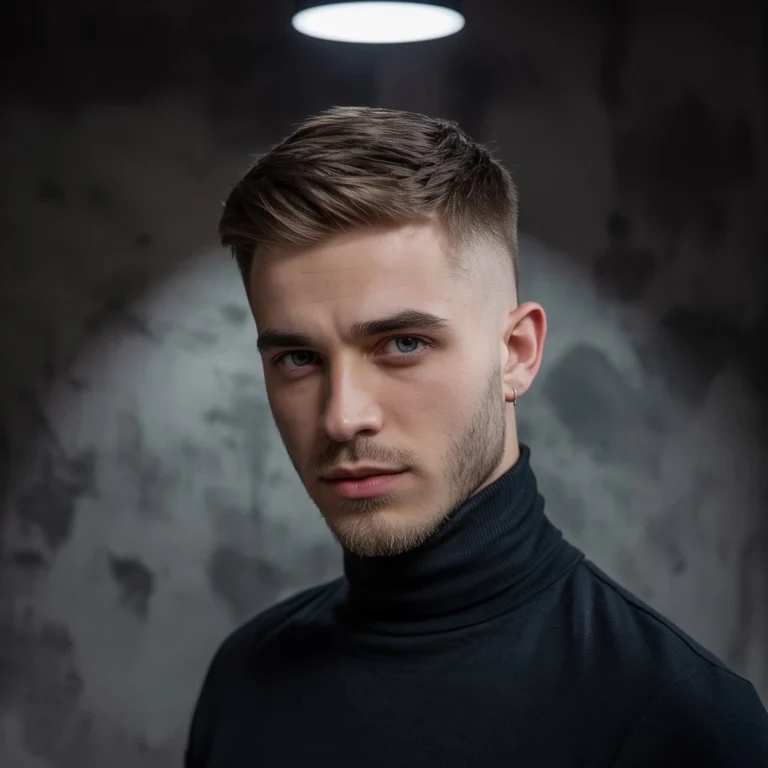
Burst Fade Buzz Cut

The burst fade buzz cut is a clean, low-maintenance style that keeps the sides sharply curved around the ears while the top stays uniformly short. Perfect for straight, wavy, or fine hair, it works well for office or athletic settings. Low fade (#1) softens thin hair, mid (#0.5–1) adds subtle contrast, high (#0–0.5) maximizes edge. Style with matte clay for texture. Weekly touch-ups keep the fade defined. Stylist insight: “Short, sharp, and always on point.
Burst Fade Comb Over

The burst fade comb over blends classic sophistication with modern flair. The curved sides taper neatly around the ear, while the top can be styled into a neat side part or pompadour. Works on straight, wavy, and fine hair. Low (#1–2) for subtlety, mid (#0.5–1) for contrast, high (#0–0.5) for dramatic effect. Use soft-hold pomade or wax for smooth flow. Touch-ups every 1–2 weeks. Stylist insight: “Curved sides frame the face, top commands attention.
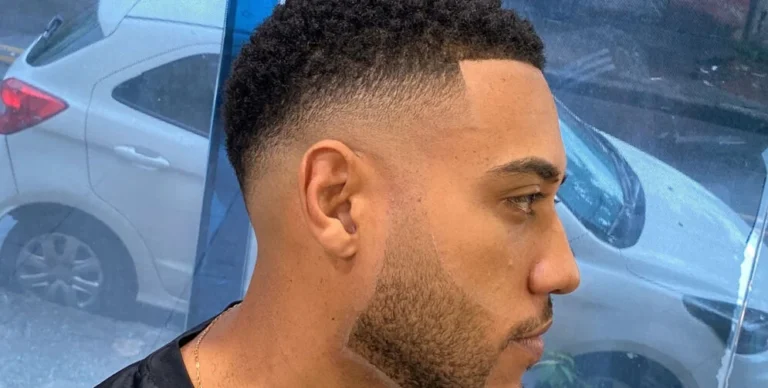
Burst Fade with Beard

Pairing a burst fade with a beard creates a powerful, structured look. The fade curves around the ear, blending seamlessly into the beard line. Works on all hair types; fine hair benefits from low fade (#1), thick hair from mid/high (#0–0.5). Groom the beard with soft balm or oil, and keep weekly touch-ups on both hairline and facial hair. Stylist insight: “Your beard is part of the fade, not separate.
Burst Fade with Design

This style incorporates patterns or V-shaped cuts within the fade for a bold, artistic edge. Curved sides allow a canvas for creativity while keeping the top versatile. Suitable for straight, wavy, and coarse hair. Guard: low (#1) for subtle designs, high (#0–0.5) for bold contrast. Use texturizing clay for top styling; touch-ups weekly to maintain both fade and design. Stylist insight: “Designs pop when the fade frames them perfectly.
Burst Fade with Highlights

Adding highlights or bold colors to a burst fade enhances depth and dimension. Curved sides remain sharp while the top showcases creative shades. Works best on straight or wavy hair; curly textures can hold color with hydrating treatments. Low fade (#1) softens contrast, high (#0–0.5) makes colors dramatic. Style with protective cream; touch-ups every 1–2 weeks for sharpness and vibrancy. Stylist insight: “Color speaks louder when the fade frames it cleanly.
Burst Fade Curly Hair

Curly burst fades maintain natural volume while keeping sides sharp. Ideal for tight coils, wavy curls, or afro textures. Low (#1–2) softens fine curls, mid (#0.5–1) balances medium density, high (#0–0.5) emphasizes thick curls. Use curl cream or leave-in conditioner, diffuse for definition. Touch-ups weekly to keep sides tight. Stylist insight: “Curves in the fade should match the curves on top.
Burst Fade Short Hair

A burst fade with short hair keeps the sides tightly curved around the ear while the top stays cropped short. It’s a clean, sharp, and low-maintenance cut that works for straight, wavy, or curly hair. Perfect if you want a fresh, professional look with just a touch of modern edge.
Burst Fade Long Hair

A burst fade with long hair keeps the sides tightly curved around the ears while leaving volume and length on top. It’s bold, versatile, and perfect for mohawks, pompadours, man buns, or textured waves. Choose this if you want a stylish, high-impact look that stands out.
Burst Fade Wavy Hair

A burst fade with wavy hair blends curved, sharp sides with natural texture on top. It gives a clean yet relaxed look, making waves stand out without heavy styling. Perfect if you want a stylish cut that balances professional and casual vibes.
Burst Fade Afro

A burst fade with an Afro blends the curved fade around the ears into the natural volume on top. It sharpens the edges while letting curls or coils stay full and defined. Perfect for a bold, stylish look that highlights natural hair texture.
Burst Fade Perm

A burst fade with a perm pairs the curved fade around the ears with soft, defined curls on top. It creates contrast—sharp sides meet voluminous waves—giving you a trendy, eye-catching look that’s both stylish and playful.
Burst Fade Straight Hair

A straight hair burst fade emphasizes the clean arc around the ear while keeping the top sleek and versatile. Works on fine to medium textures. Low (#1–2) for subtlety, mid (#0.5–1) for contrast, high (#0–0.5) for a striking statement. Style with matte clay or light pomade. Weekly touch-ups maintain the sharp curve. Stylist insight: “Straight lines meet curves perfectly in this cut.”
Burst Fade Asian

This variation adapts the burst fade to naturally straight or wavy hair textures common among Asian or Caucasian hair types. Curved sides hug the ears while the top can be left textured or combed. Low (#1–2) for fine hair, mid (#0.5–1) for volume, high (#0–0.5) for dramatic contrast. Style with light paste or clay. Weekly maintenance recommended. Stylist insight: “The fade complements the hair’s natural movement.”
South of France Burst Fade

Inspired by European street style, the South of France burst fade pairs subtle curved sides with a longer, textured top. Works best on wavy or straight hair. Low (#1–2) softens fine hair, mid (#0.5–1) balances, high (#0–0.5) emphasizes bold contrast. Style with soft pomade or light wax. Touch-ups weekly. Stylist insight: “Effortless European chic, framed perfectly by the fade.”
Textured Burst Fade

The textured burst fade blends volume and movement with sharply curved sides. Perfect for fringe, spiky, or messy styles. Works on straight, wavy, and curly hair. Low (#1–2) for subtle framing, mid (#0.5–1) for casual texture, high (#0–0.5) for bold contrast. Use texturizing clay, wax, or sea salt spray for style retention. Weekly touch-ups keep the sides defined. Stylist insight: “Texture is the top, the fade is the frame.”
Burst Fade Fringe

A burst fade with a fringe blends sharp curved sides with hair left forward on the forehead. It’s trendy, versatile, and especially good for adding texture or covering a large forehead. Perfect if you want a bold yet balanced modern look.
burst fade spiky

A burst fade with spiky hair combines the curved fade around the ears with short, textured spikes on top. It’s edgy, modern, and perfect for guys who want a bold, high-energy look that stands out without needing much length.
Burst Fade messy styles

A burst fade with messy styles pairs sharp, curved sides with a loose, tousled top. It’s effortless yet trendy—perfect for guys who want a relaxed “cool without trying” vibe. Works great with crops, quiffs, or wavy textures.
How to Ask Your Barber for a Burst Fade
Getting a burst fade starts with clarity. Bring a photo and specify low, mid, or high fade and guard numbers (#0–#2 depending on hair thickness). Mention the top style—spikes, pompadour, fringe, or curls—and whether you want a variation like a mullet, Edgar, or skin fade.
Discuss maintenance: weekly touch-ups for high contrast, low fades for fine hair, mid fades for medium textures. Styling matters—matte clay for straight hair, pomade for wavy, curl cream with diffuser for curly/coily hair.
Stylist tip: “Photos and guard numbers prevent surprises; clear communication = confident fade.” Also, mention your face shape so the barber can frame it perfectly.
Show a Reference Photo
A picture is worth a thousand words. Even a small screenshot from Instagram or TikTok helps your barber match fade curvature, length, and contrast. Include angles: front, side, and back.
Use the Right Name
Low, mid, high, skin, burst, taper—say it correctly. Misnaming can result in unwanted styles. Clarify what you want in a single sentence: “I want a mid burst fade with a textured top.”
Common Mistakes to Avoid
Avoid over-explaining or saying “just like last time” if your previous haircut was different. Don’t forget to mention cowlicks, hairline quirks, or sensitive areas.
How to Style a Burst Fade at Home
Keeping a burst fade sharp between barber visits is easy when you follow your hair type and use the right products. Straight hair looks best with matte clay for natural texture; wavy or curly hair thrives with light-hold paste or curl cream plus a diffuser. Start on damp hair, work from roots to tips, and follow the fade’s natural curve around the ear. Use fingers or a comb to shape volume and definition. Finish with a small amount of matte pomade for hold without stiffness. Quick tip: touch up the sides lightly if needed, but avoid trimming the top at home to preserve the intended style.
Styling Straight Hair Burst Fade
Straight hair burst fades rely on texture and natural volume. Start with damp hair and apply a small amount of matte clay. Use your fingers or a vent brush to lift the top while following the fade’s natural curve around the ears. Avoid over-combing to keep movement effortless. Low fades (#1) look subtle, mid (#0.5–1) adds contrast, and high (#0–0.5) delivers a bold statement. Style holds 1–2 weeks before the first blend fade shows. Quick tip: if the top flattens during the day, lightly blow-dry while lifting roots to restore shape without disturbing the fade.
Best Daily Grooming Routine
Maintain a sharp burst fade with a simple daily routine. Wash hair 2–3 times weekly using a hydrating shampoo to avoid dryness. Apply a light leave-in conditioner or oil for softness. Style according to hair type: matte clay for straight, light-hold pomade for wavy, curl cream with diffuser for curly/coily hair. Finger-comb along the fade curves to keep shape and tame stray hairs. Daily mirror checks catch early blending loss. Weekly touch-ups ensure the fade stays crisp and defined.
Best Products for Burst Fade Hairstyles
Choosing the right products keeps your burst fade sharp, healthy, and easy to style.
Texture Clay
Adds matte finish, volume, and separation for straight or wavy hair. Apply a pea-sized amount to damp or dry hair, working from roots to tips.
Sea Salt Spray
Enhances natural texture and creates soft, messy waves. Spray on damp hair, scrunch lightly, then air-dry or diffuse for extra body.
Molding Paste
Provides medium hold and flexible styling, perfect for curly or textured hair. Use sparingly to avoid stiffness.
Hydrating Oil / Conditioner
Keeps hair healthy, shiny, and prevents breakage. Apply lightly to damp hair before styling.
Shampoo & Scalp Care
Use sulfate-free shampoo to protect scalp health and fade longevity. Pair with weekly deep conditioning for softness and manageability.
How to Maintain a Burst Fade
Keeping your burst fade sharp requires attention to timing, products, and proper technique.
How Long Does a Burst Fade Last?
A well-cut burst fade maintains its shape for 1–2 weeks. High or skin-level fades lose crispness faster than lower fades.
How Often to Get a Retouch?
Adults: Weekly touch-ups recommended for sharp curves.
Kids: Every 2–3 weeks works, using softer lines to avoid harsh edges.
Keep the Fade Sharp Between Barber Visits
Lightly trim around the ear and neckline with a detail trimmer.
Use water-based styling products for quick fixes.
Avoid excessive scalp friction to preserve fade contrast.
How Long Does a Burst Fade Last?
A well-executed burst fade typically stays crisp for 1–2 weeks, though hair type and fade height matter. Low fades with slightly longer sides often keep their shape up to two weeks, while high or skin-level bursts may start blending within 5–7 days. Weekly touch-ups preserve the curved fade around the ear and maintain top texture. For extra longevity, apply a small amount of texture clay or light pomade to damp hair—this keeps definition without weighing hair down.
How Often to Get a Retouch?
Most adults benefit from weekly to bi-weekly retouches to keep the burst fade’s curved lines sharp and the top-to-side contrast defined. Low fades may stretch to every 2 weeks, while high or skin-level fades usually need weekly trims. For kids or low-maintenance styles, every 3 weeks works if the top is longer. Always communicate clearly with your barber about preferred length and fade aggressiveness to ensure consistent, precise results.
Keep the Fade Sharp Between Barber Visits
To maintain a burst fade’s crisp look at home, use a light trimmer or clipper around the edges every few days. Apply matte pomade or styling clay to add texture and keep the top looking fresh. For curly or wavy hair, use a diffuser on low heat to maintain shape without frizz. Regular moisturizing prevents scalp dryness, which can make faded areas appear patchy. Even with touch-ups, avoid over-trimming—preserve the fade’s curve and natural flow for the most polished, long-lasting appearance.
Step-by-Step: How to Do a Burst Fade Haircut
Want to try a burst fade yourself or understand exactly what your barber does? Follow this detailed, practical guide:
Tools Required: Clippers, guards (#0–1 for burst, #1–2 for low variations), trimmers, comb, scissors, and a cape.
Step 1: Prep the Hair
Wash and towel-dry hair. Comb through tangles. Optional: apply a light styling product for control and better texture.
Step 2: Establish the Outline
With a #1 guard, create the curved fade line around the ear—like a half-sun spotlight. Ensure symmetry on both sides.
Step 3: Blend the Top
Use scissors or a higher guard (#1–2) to blend the top into the fade. Keep texture suitable for hair type: straight, wavy, or curly.
Step 4: Detail Work
Trim edges around the neckline and sideburns. Add designs or line work if desired.
Step 5: Check & Finish
Comb through, correct uneven spots, and style using clay, pomade, or cream.
Pro Tip: Weekly touch-ups keep the fade’s curve and contrast sharp between barber visits.
FAQs About Burst Fade Haircuts
What is a burst fade?
A burst fade is a haircut where the fade curves around the ear, creating a spotlight effect while leaving the top longer. It combines bold contrast with versatile styling options suitable for straight, wavy, or curly hair.
Is the burst fade still trending in 2025?
Yes. Celebrities, TikTok trends, and street style culture keep it in demand. Its edgy yet clean look works for casual, professional, and festival styles.
Why is it called a burst fade?
The name comes from the curved “bursting” fade around the ear, resembling a half-sun or spotlight.
What’s the difference between a burst fade and a drop fade?
Drop fades slope downward behind the ear, creating a gentle curve. Burst fades hug the ear in a circular half-sun shape, offering sharper contrast and more street-style appeal.
Can you combine a burst fade with a mullet or buzz cut?
Absolutely. Burst fades pair well with mullets, buzz cuts, mohawks, and textured crops for a modern, edgy twist.
How much does a burst fade cost?
Prices vary: $20–$60 at standard barber shops, $50–$120 at premium salons, depending on location, complexity, and added designs.
What does a burst fade look like?
The sides curve around the ear in a half-sun pattern, blending into longer hair on top. The result is sharp, dynamic, and visually striking.
Is a burst fade good for thin hair?
Yes. Lower fades are recommended to avoid scalp exposure. Texturizing products can add volume and thickness for a fuller appearance.
Conclusion
The burst fade is a timeless yet modern haircut, combining bold style with versatile wearability. Its curved sides act like a spotlight, flattering different hair types, face shapes, and ages—from kids to adults. With the right products, styling techniques, and regular maintenance, the fade stays sharp and fresh. Whether you want a street-style edge, a festival-ready vibe, or a polished everyday look, the burst fade delivers. Experiment with related styles—taper fades, mohawks, or burst fade mullets—to discover your signature haircut.